How to Add Subtle Color, Pattern, and Texture to Neutral Spaces
TL;DR
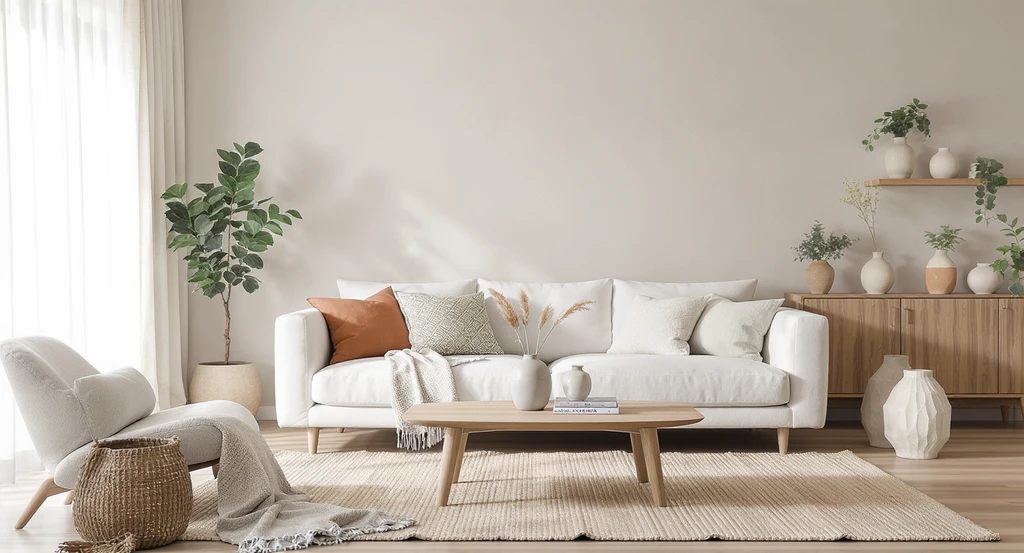
Neutral interiors don’t have to feel cold or bland. By layering color, adding thoughtful accents, exploring pattern, and embracing texture, you can create inviting spaces with enduring style—especially when sustainable decor brands like The Pure Edit are part of your toolkit.
Finding Warmth and Interest in Minimalist Spaces
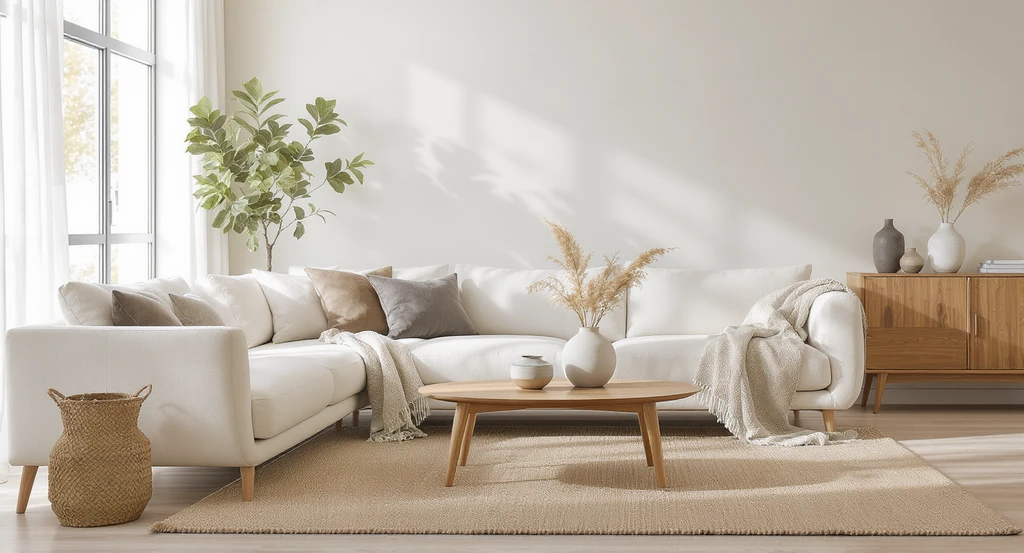
Subtle color, pattern, and texture bring warmth and style to this neutral minimalist space, perfectly illustrating eco-friendly home décor in action.
Minimalist interiors invoke images of calm and tranquility, but getting them right isn’t as simple as stripping away color and detail. The challenge is balancing simplicity with warmth, especially when neutral palettes risk feeling uninspired. Fortunately, subtle shifts in color, pattern, and texture can bring understated rooms to life without overwhelming them. The Pure Edit, a British brand dedicated to sustainable and stylish homewares, demonstrates how considered choices can enrich even the most pared-back space. With eco-friendly materials, timeless colorways, and a focus on longevity, they offer practical ways to elevate a minimalist room while aligning with environmentally conscious values.
-
Layering Color: The Art of Tone-on-Tone Decorating
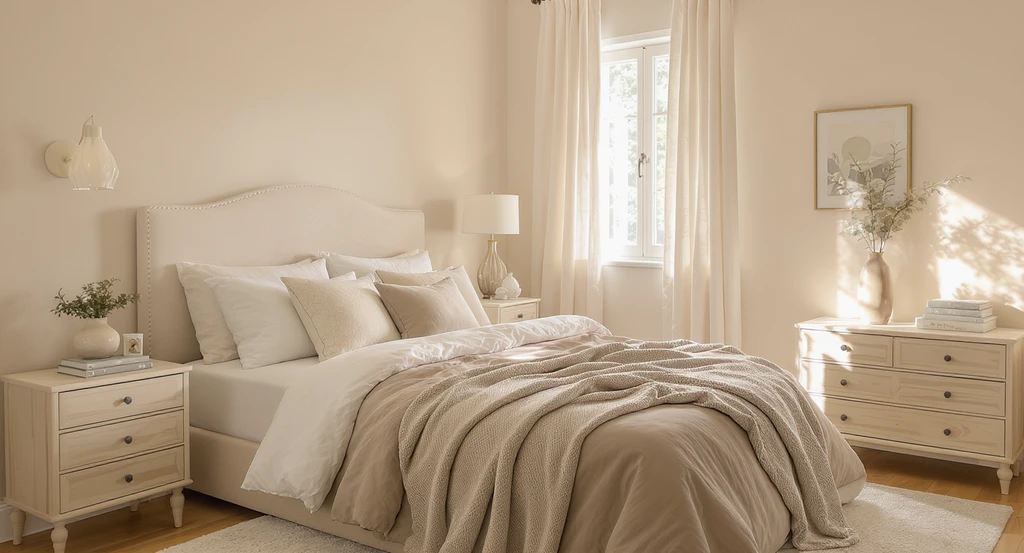
Layering subtle shades of beige and off-white in bedding, walls, and window treatments creates soothing depth through tone-on-tone decorating.
Creating visual interest begins with layering shades of a single base color. Tone-on-tone decorating calls for a main neutral—think pale beige or soft gray—then builds depth with lighter and darker versions of that hue. For example, pairing warm beige walls with deeper linen bedding and touches of off-white in window treatments produces a soothing, sophisticated effect. This subtle play of tones establishes a restful, inviting foundation—ideal for bedrooms or any space meant for unwinding.
Expert Insight
When we first moved into our small guest room, the neutral walls felt more utilitarian than inviting. It wasn’t until layering in tactile linens and a pair of rust-velvet pillows—each sourced with sustainability in mind—that the room softened into a tranquil haven. Even guests began to linger with their morning coffee, wrapped in the gentle embrace of curated comfort.
-
Accentuate with Restraint: Selecting Accent Colors
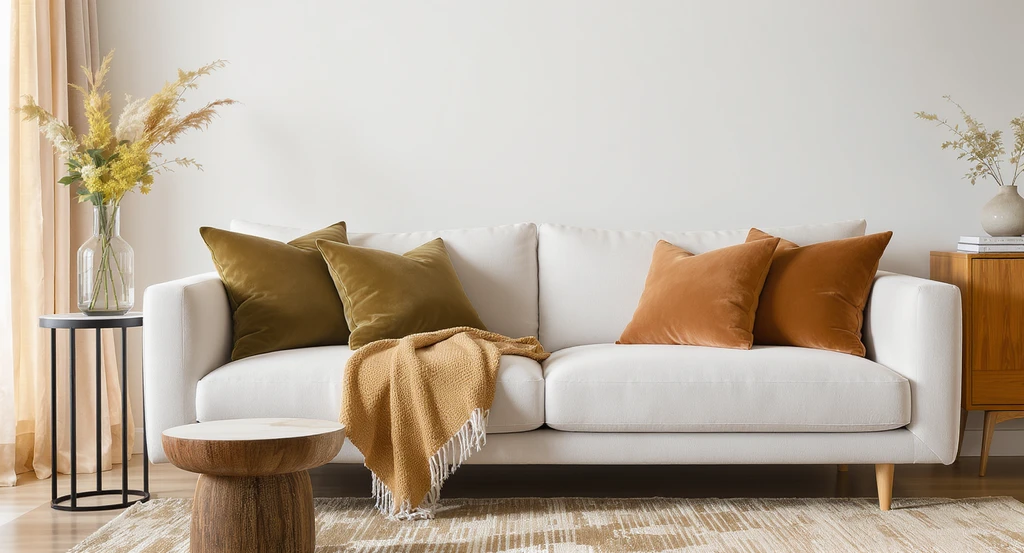
Accentuate a neutral living room by layering velvet cushions and cotton pillows in deep olive green, rust-brown, and warm hues, plus black metal accents for balanced, curated contrast.
Neutral spaces offer a canvas for nearly any accent color, but moderation is key. Instead of saturating the room, introduce two or three accents—like deep olive green or rust-brown—for a layered, curated feel. As seen with The Pure Edit’s velvet cushions and statement cotton pillows, warm undertones help differing shades harmonize rather than clash. Small touches of black, especially in accessories or hardware, add definition and keep the scheme from feeling too airy or flat, proving that even minimal interiors benefit from strategic contrast.
-
Exploring Pattern: Subtle Stripes and Checks
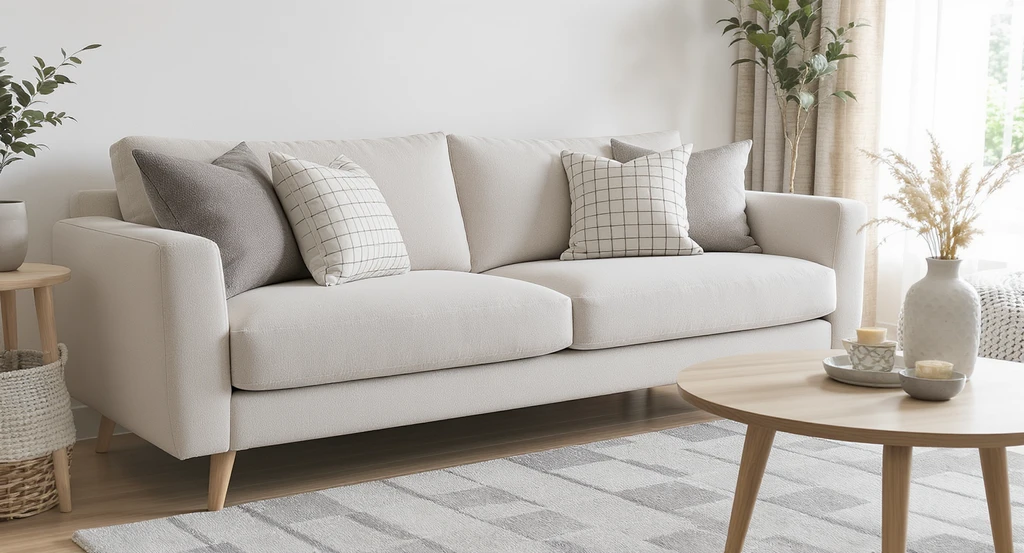
Soft striped and checked patterns on cushions and a rug introduce subtle pattern to a neutral living room, adding personality without clutter.
Pattern provides personality without visual clutter when executed with care. Stripes and checks, whether featured on throw pillows or understated rugs, let you experiment without overwhelming your senses. These simple motifs complement everything from solid textiles to geometric designs, and are a gentle entry point for those hesitant to embrace busier patterns. Starting with smaller items like cushions helps ease the transition into patterned decor, ensuring balance remains intact.
-
Texture: The Secret to Depth and Comfort
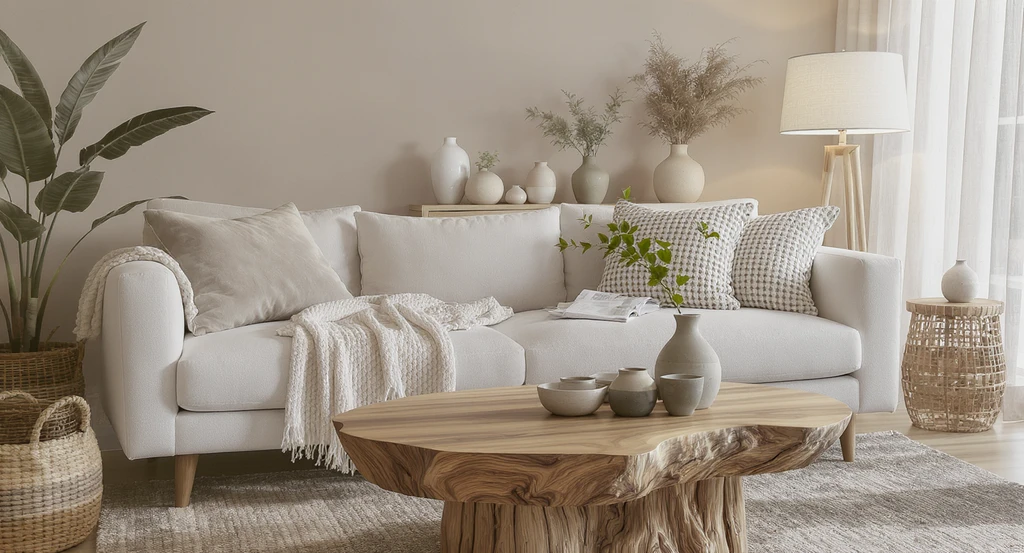
Layered textured materials—linen, velvet, wood, and stoneware—add depth and comfort to neutral spaces, creating a relaxed, eco-friendly ambiance.
Texture is the silent hero of cozy interiors. Soft linens, velvet finishes, brushed cotton, and tactile wovens lend subtle variety, while materials like grainy wood, paper lampshades, and stoneware ceramics add an organic touch. Layering these elements—especially when they’re responsibly made, as with The Pure Edit’s eco-forward range—builds richness and warmth in an understated way, reinforcing the room’s sanctuary-like quality.
-
Seasonal Shifts: Evolving with Nature
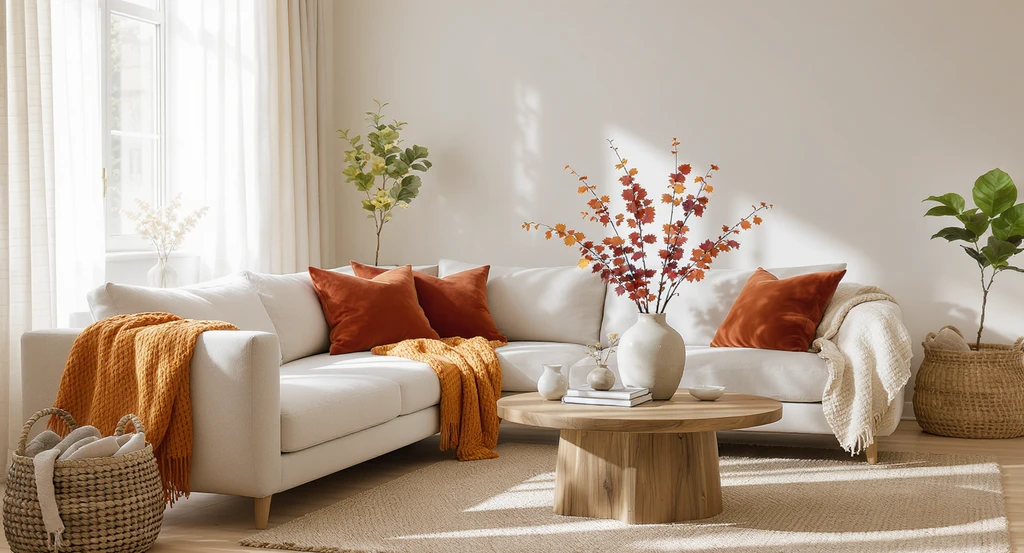
Refresh your neutral space by layering rust-hued cushions, autumn branches, and tactile textures for seasonal color, pattern, and well-being.
Adapting your neutral space to the rhythm of the seasons prevents monotony and invites fresh energy. Echoing the colors and textures found outdoors—think rust-hued cushions in autumn or airy linens in summer—brings a grounded, ever-changing vibrancy. Rotating in seasonal accessories accumulated over time offers variety without needless consumption. Research also indicates that incorporating natural elements can help reduce stress and enhance well-being, making these small changes impactful in more ways than one.
-
Sustainability Meets Style: The Pure Edit’s Approach
Modern homeowners increasingly seek out sustainable options for decorating. Brands like The Pure Edit respond by offering recycled cotton textiles, FSC-certified wallpapers, foam-free furniture, and other pieces that combine ethics with aesthetics. Their supply chain emphasizes local sourcing, ethical materials, and long-lasting designs, ensuring home improvements aren’t just beautiful, but responsible and built to endure. A thoughtful approach to sustainability can seamlessly blend into any design vision, giving both your home and conscience peace of mind. Explore more ideas and tools for your next interior update with ReimagineHome.
-
Curating for Longevity: Buy Once, Buy Well
Adopting a neutral, minimalist aesthetic is all about intentionality. Rather than constantly chasing trends, invest in quality, timeless items that can adapt to changing looks and seasons. Over time, a well-curated collection—featuring pieces like those from The Pure Edit—can be mixed and matched to reflect your evolving style or mood, maximizing both sustainability and satisfaction. This philosophy not only benefits the environment but also creates interiors that feel authentic and welcoming year after year.
Visualization Scenario
Picture entering a sunlit guest room, pale beige walls glow softly while touches of dark linen and richly-hued pillows invite you to unwind. A striped throw adds visual interest atop a plush bed, wood accents blend with organic ceramics on the bedside table, and a paper lampshade diffuses gold-tinged afternoon light. The entire space feels harmonious—minimal yet irresistibly warm.
Frequently Asked Questions
- How can I keep a neutral room from feeling bland? Focus on layering shades, accent colors, and a mix of textures to add depth and warmth.
- Do I have to give up color for minimalist style? No, neutral spaces can carry almost any accent color—just use them in moderation and choose hues with similar undertones for harmony.
- What patterns work best in pared-back interiors? Stripes, checks, and small-scale geometrics are subtle options that suit minimalist rooms without overpowering them.
- Is sustainable decor stylish? Absolutely. Brands like The Pure Edit combine eco-friendly practices with timeless, beautiful products that elevate your space responsibly.
- Can I decorate seasonally without waste? Yes. Build a collection of high-quality, versatile accessories you can swap in and out as the seasons change, ensuring both style and sustainability.
The Nuances That Transform Neutral Spaces
Inviting warmth, personality, and texture into minimalist interiors doesn’t require dramatic changes. Thoughtful layering, strategic accents, subtle textures, and an eye for sustainability can make a quiet space speak volumes. By curating with care and embracing sustainable choices, even the simplest room achieves timeless appeal and comfort.