7 Smart Moves to Style and Stage Your Way to Luxury Listing Success
TL;DR
Elevate luxury listings with strategic self-styling, budget-wise staging, and key design moves. These targeted steps boost buyer interest, curb appeal, and premium offers—without breaking the bank.
Want to Stand Out with Your Luxury Listing? Here’s How.
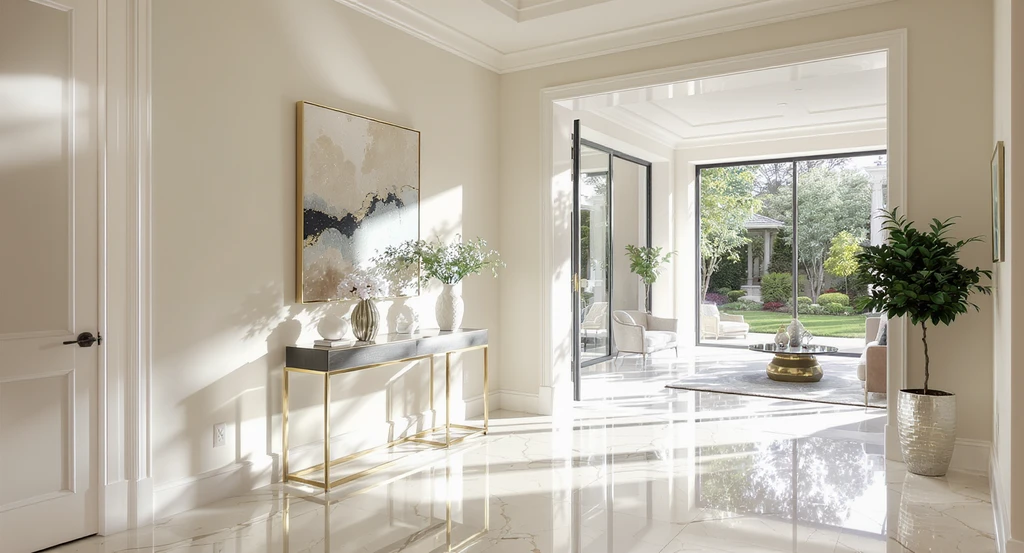
Learn how to stage luxury real estate listings with a beautifully styled foyer—an essential element for creating the best listing photos for high-end homes and improving curb appeal for luxury listings.
If you’re prepping a luxury home for sale—whether as an agent, homeowner, or stager—there’s a unique pressure. High-net-worth buyers have keen eyes for detail and want more than square footage: they want style, polish, and imagination. The worry? That a bland, dated, or poorly presented listing will linger on the market while better-staged homes move fast. Good news: By upgrading both your presentation and your property, it’s possible to capture attention and command higher offers—often without splurging. Here are the decisions that matter most:
-
1. Dress Like a Luxury Pro—Affordably
Your look sets the tone. Even if it’s your first multimillion-dollar listing, clients notice your polish—both in person and online. But you don’t need luxury labels to dress the part. Clothing subscription and rental services (like Rent the Runway or Nuuly) let you create a sophisticated wardrobe, renting top-tier styles for a fraction of retail. For around $100/month, you’ll always have fresh looks that project credibility and align with luxury clients. What to do: Audit your wardrobe for polished, understated separates. Invest in classic shoes and a good coat. If in doubt, stick with a calm color palette and great tailoring. Decision note: This small outlay signals success to clients—and builds your confidence.
-
2. Offer Thoughtful, Distinctive Closing Gifts
Luxury buyers appreciate details—and a small, meaningful closing gift can solidify your reputation. Choose something that shows genuine attention, such as a premium wine subscription (like Wine Access), custom-engraved decanter, or a locally sourced artisan piece. Always align your gift with your client’s real preferences (ask discreetly, don’t assume!). Why it matters: Your closing gesture is a powerful, memorable final impression, making future referrals more likely. Quick tip: The best gifts subtly connect to the lifestyle or taste your client values.
-
3. Stage for High-End Impact—Not High Overhead
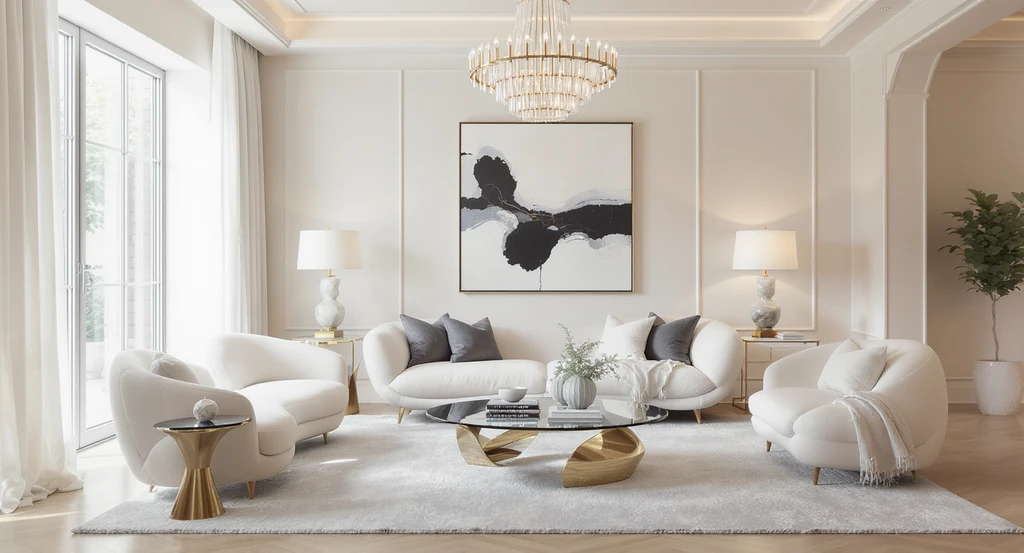
Professional staging with curated designer furnishings and neutral palettes showcases how to stage luxury real estate listings and capture the best listing photos for high-end homes, elevating curb appeal for luxury listings while maximizing impact on a budget.
Luxury staging isn’t about volume, it’s about vision and simplicity. According to the National Association of REALTORS® 2025 Home Staging Profile, 83% of buyers’ agents said staging helped clients visualize a property as their home. Instead of crowding rooms, invest in key designer pieces—think sculptural sofas, layered lighting, and curated art. Renting luxury furniture (CORT or similar) gives access to high-end looks at manageable costs. What’s changing: More luxury staging is now done with subscription furniture and virtual visualization tools, cutting costs and setup time. A professional staging package for a mid-large luxury home often costs $2,000 or less—and can yield a 1%–10% offer premium according to NAR. Decision note: Fewer, high-impact pieces and neutral palettes (warm minimalism, transitional, or Art Deco) sell listings faster. Over-decorating alienates, so curate sparingly.
-
4. Prioritize Curb Appeal—First Impressions Count
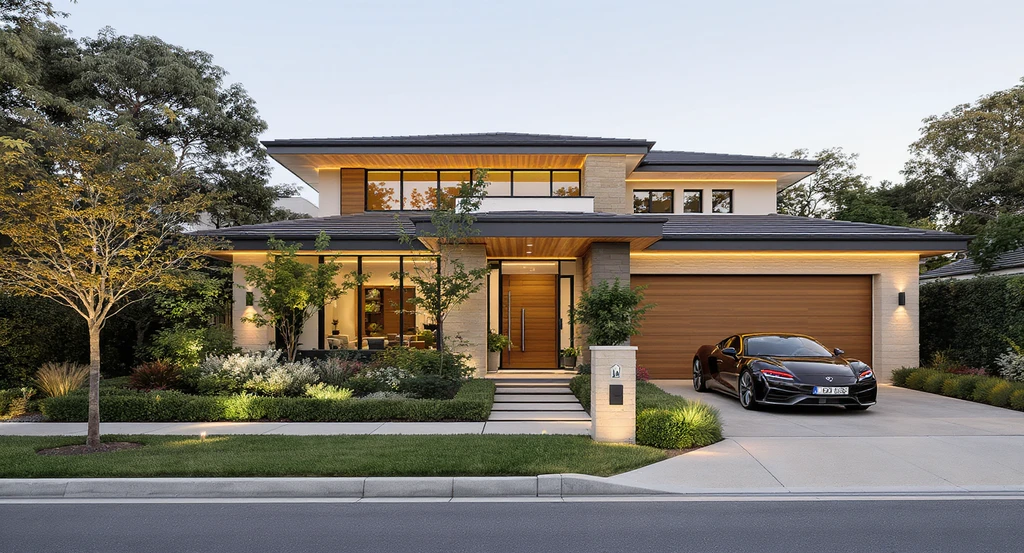
Showcasing how to stage luxury real estate listings, this scene exemplifies the best listing photos for high-end homes by improving curb appeal with lush landscaping, stylish lighting, modern materials, and a luxury car in the driveway.
Buyers’ emotional reactions start at the curb. Sellers who invest in professional landscaping or simple yard upgrades often recover 100%+ of their costs at sale, thanks to more offers and stronger interest. An underrated tactic: renting a luxury car to have in the driveway for showings or listing photos—a fleeting visual that reinforces exclusivity. What’s overlooked: Many agents ignore curb appeal beyond fresh mulch and flowers. Pay attention to entry path lighting, mailbox design, and cohesive outdoor styling. As explored in our guide to modern exterior design and curb appeal, natural materials and glass can modernize a home’s facade instantly.
-
5. Integrate On-Trend Luxury Design Elements
Buyers love homes that align with current, high-end aesthetics. Right now, warm minimalism—creamy tones, soft textures, curved furniture—is outperforming harsher styles. Transitional spaces and touches of Art Deco are also in demand in urban markets. For kitchens and baths, choose natural stone, quality metals, and spa-inspired finishes (rainfall showers, sculptural tubs, heated floors). Layered lighting and seamless indoor-outdoor flow (with matching interior/exterior furnishings) are winning features. For more, our analysis of emerging design trends for 2025 and inspiring interior trends for 2026 spotlights timeless but future-driven ideas.
-
6. Harness Tech and Visualization Tools Efficiently
Physical staging is effective—but time and cost matter in luxury. AI-powered visualization tools now create bespoke staged photos matched to specific buyer personas in hours instead of weeks (as discussed in our guide on the future of design with AI). Props and custom digital styling can show multiple design options instantly for virtual tours or listing photos without moving any actual furniture. This accelerates decision-making for both agents and buyers. Decision note: For unoccupied or hard-to-stage spaces, digital staging is a no-brainer. But even occupied homes can use digitally enhanced images to suggest upgrades or alternatives.
-
7. Use the 4D Decision Matrix to Guide Every Upgrade
Not every project is worth your time or budget. Apply this simple 4D Matrix:
- Do: Immediate, high-ROI fixes (fresh paint, new hardware, decluttering).
- Delay: Projects with unclear value or long lead times (expensive custom work).
- Delegate: Specialized, skill-based tasks (landscaping, high-end staging, photography).
- Drop: Anything that adds clutter, confusion, or distracts from main selling points.
Luxury Listing Staging FAQ
For mid-size to large homes, expect $1,500–$3,000 for physical staging, but digital staging or high-quality furniture rentals can cut that cost substantially.
Do high-end buyers notice digital staging?
Luxury buyers know the difference, but value the vision digital imagery provides. Just be transparent and use AI tools to supplement professional photography, not replace it.
Which rooms matter most for luxury staging?
Kitchens, primary suites, and outdoor spaces—these are the decision-makers for luxury shoppers.
Can I stage a property myself?
You can—especially for basic decluttering and upgrades. For best results (and returns), delegate to pros for layout, furniture, and styling.
What style trends perform best with luxury buyers?
Warm minimalism and transitional designs lead the market, as seen in our analysis of current and future trends.
Final Thoughts: The Small Shifts That Yield Big Returns
Luxury property sales aren’t just about square footage and zip codes—they hinge on style, perception, and experience. Dressing yourself and your listing for success, prioritizing curb appeal, and embracing modern design and tech can turn a great home into a showstopper. Remember: quality staging and nuanced updates pay back multiple times over. Avoid maxing out on trends or over-customizing—keep spaces attainable yet exceptional for buyers. Projects worth doing now: Fresh paint, upgraded lighting, precise landscaping, and smart home upgrades. Top mistake to avoid: Overstaging with too much personality or trendy, divisive fixtures. Looking for inspiration? Dive deeper into 2025’s design trends and 2026’s interior insights for more ideas tailored to the luxury market.