2026 Room by Room Interior Design Trends Reflect Real Homeowner Needs
2026 Interior Design Trends: The Shift to Real-Life Homes
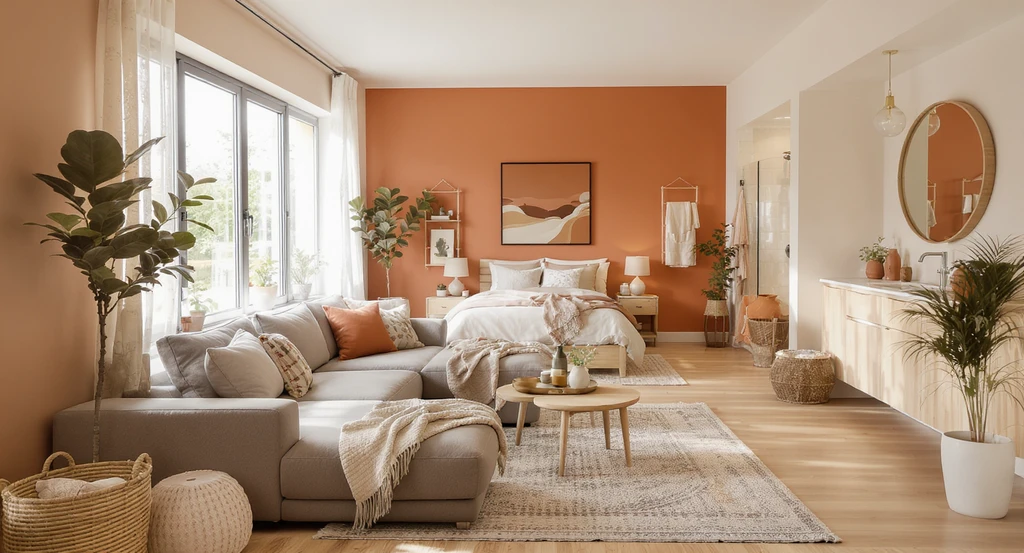
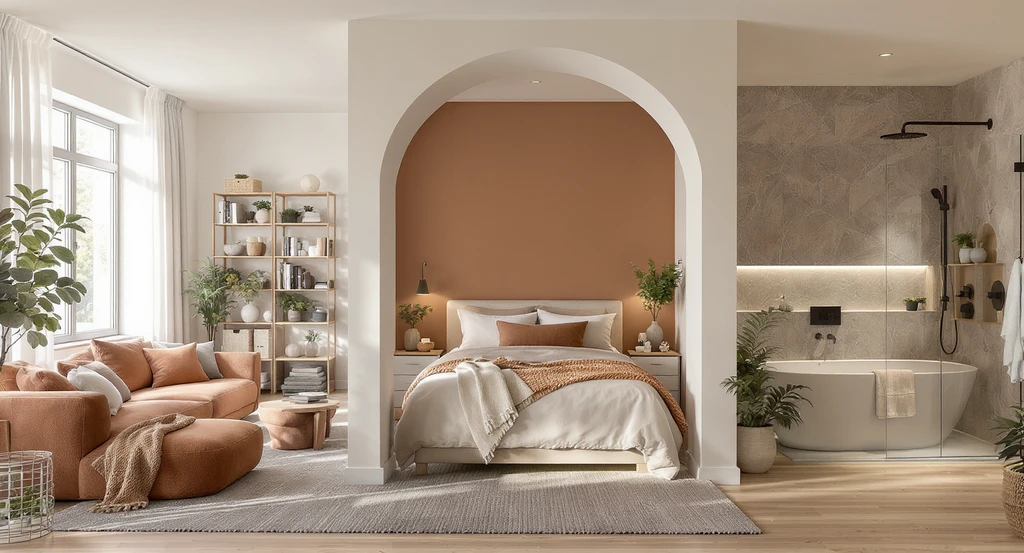
2026 room by room interior design trends reveal cozy earth-toned living, flexible layouts, and wellness bathroom features for functional, inviting homes.
In 2026, interior design is defined by warm earthy finishes, functional layouts, and deeply personal details. The trend is toward spaces that feel livable and emotionally useful, not just visually curated. Practicality, flexibility, and comfort have become primary filters for homeowners seeking lasting value. This shift is away from cold minimalism and toward interiors that foster daily wellbeing, easier organization, and a strong sense of place. As design decisions move beyond surface aesthetics, each room’s function—and its support for evolving routines—takes precedence, as explored in our guide on the 2026 design trends shaping real homes.
-
Why 2026’s Trends Matter in Real Homes
The emerging 2026 interior design trends matter because they directly reflect what homeowners actually prioritize after years of change. With homes doubling as offices, sanctuaries, and entertainment spaces, day-to-day usability outweighs fleeting design statements. These trends address regret avoidance by minimizing risky, style-only decisions. Instead, features like flexible layouts and built-in storage reduce daily friction. This practical orientation means design choices are evaluated for long-term satisfaction and adaptability, not just initial appeal. Sustainable materials and multi-functional features also align with the desire for lasting comfort.
-
Defining 2026 Interior Design Trends and What They Are Not
A 2026 interior design trend is a design direction emerging from observed homeowner behaviors, not just designer forecasts. These trends reflect a shift away from strictly visual minimalism to spaces that are warmer, more textured, and increasingly personal.
This does not simply mean ‘cozy’ décor or overusing earthy colors. Rather, it is about how spatial planning, materials, and features interact to support daily routines and wellness. According to our data-driven trends analysis for 2026, functional clarity and emotional resonance now outrank novelty in design decisions. It is important to distinguish lasting shifts from short-lived fads. In 2026, trends are not just about color or furniture swaps, but about how interiors enable flexible living, storage, and wellness while balancing personal style and utility. -
Framework: How to Think About Room-by-Room Trends
Each room now operates as a support system for different aspects of life. For bedrooms, color drenching with rich neutrals or calming earth tones creates comfort and cohesion, as explained in our color trend guide for 2026. Living rooms in 2026 are defined by layouts that prioritize movable furniture and flow. Flexible zoning, achieved by using area rugs or shelving as partitions, can transform a space for work or relaxation. Kitchens are returning to warmer woods, tactile stones, and visible grains, creating intuitive work zones and visual warmth. Bathrooms adopt spa-inspired elements—matte finishes, layered lighting, and sturdy surfaces that resist aging—meeting daily self-care needs. A non-obvious insight: Integrated tech, such as hidden charging or modular lighting, supports evolving routines while remaining visually unobtrusive, underscoring how functional design quietly shapes the experience of space.
-
Practical Applications and Inherent Trade-offs
Practical 2026 room-by-room trends include:
- Bedrooms: Soft neutrals and color-drenched walls create calm. Overuse of bold tones may feel confining, so careful proportion and light direction are crucial. North-facing rooms benefit from warmer hues that offset cool daylight.
- Living rooms: Movable sectionals and adaptable layouts suit changing family needs. Prioritizing flexibility can limit bespoke design but ensures long-term usability.
- Bathrooms: Wellness features like layered lights and durable matte tiles increase comfort but may raise renovation costs. Selecting spa-inspired elements for essential zones often balances indulgence with practicality.
- Kitchens: Natural materials build warmth and patina over time. Open shelves offer easy access but can increase daily upkeep, so mixing cabinets and display storage suits most families.
-
Conclusion: Interiors that Support Real Lives
In 2026, the most significant trend is prioritizing lived-in, flexible, and emotionally supportive homes. Homeowners are choosing designs that value function, adaptability, and personal resonance over fleeting visuals, echoing the core of 2026’s color and material trends. Optimal interiors in 2026 balance spatial cohesion, psychological comfort, and practical longevity. These spaces are designed less for perfection, more for the reality of dynamic, everyday living.
Frequently Asked Questions
Frequently Asked Questions
How do I choose the best colors for 2026 bedroom walls?
Warm neutrals, muted blues, olive greens, and gentle browns are favored; select tones that harmonize with your room’s natural light and desired ambience, as detailed in our color trend explanation for 2026.
What makes a living room layout flexible in 2026?
Modular seating, movable partitions, and unobstructed circulation paths allow for adaptation to changing activities or household needs.
Are wellness features in bathrooms practical for most homes?
Yes, wellness upgrades like layered lighting and durable finishes can be incorporated gradually, providing everyday comfort without requiring major renovation.
Is color drenching suitable for small spaces?
When used thoughtfully, color drenching can create intimacy and unity in small rooms, provided light sources and shade depth are balanced.
How are rental-friendly design ideas integrated with 2026 trends?
Non-permanent solutions like removable wallpaper, modular shelving, and flexible storage bring current trends into rentals without structural changes.
Key Takeaways for 2026 Interior Design Trends
2026 interior design trends stress warm, practical, and flexible spaces where every element is chosen for usability and personal impact. Technical choices—like integrated storage, soft light, and modular layouts—support day-to-day needs and long-term resilience. The benchmark for successful interiors is not appearance alone but how naturally they support evolving routines and individual expression.