10 Popular Interior Design Styles (And How to Choose Yours With Confidence)
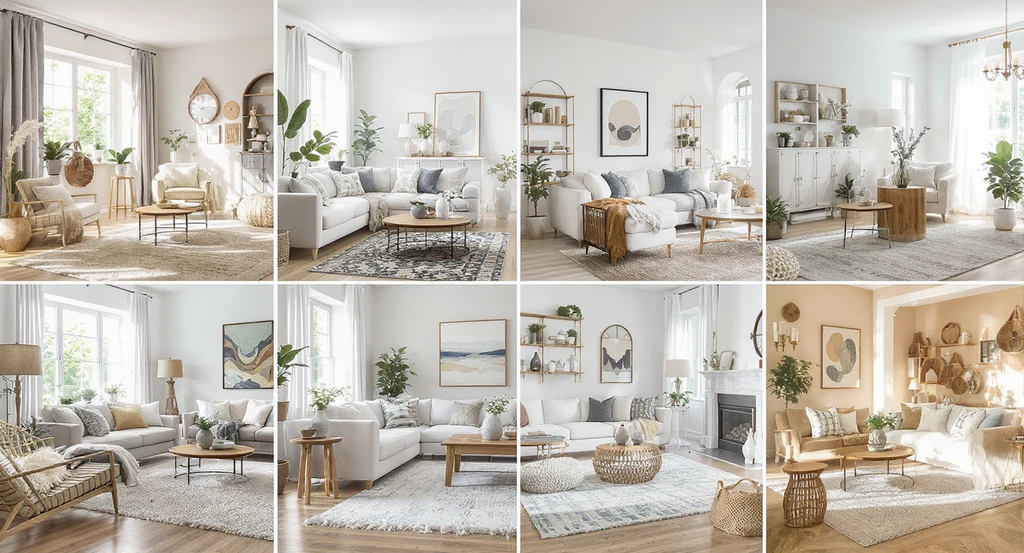
Understand Styles Before You Redecorate
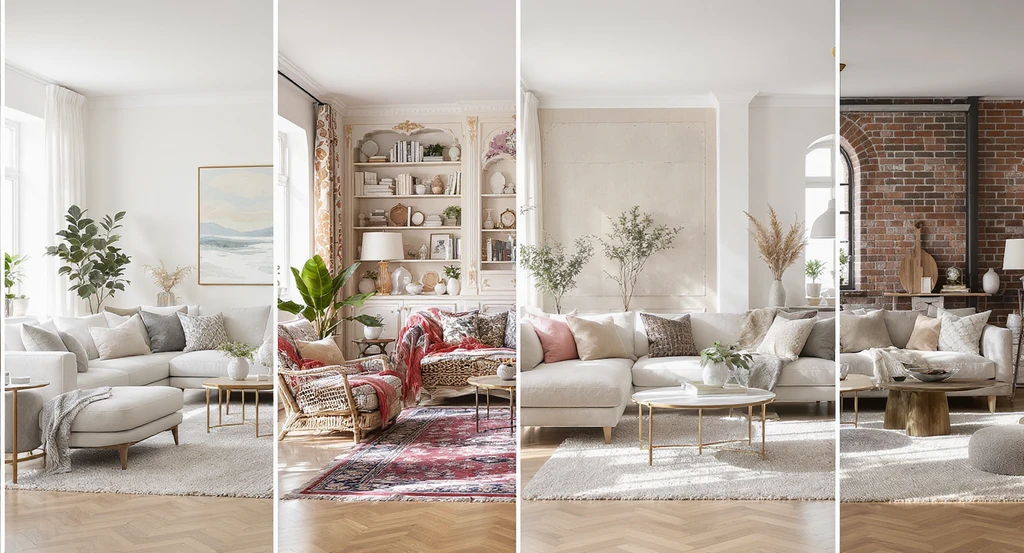
Compare interior design styles side by side with AI visualization tools—see Modern, Bohemian, Traditional, and more to choose the best home design style for your next makeover.
If you find yourself bookmarking beautiful rooms but don’t know how these looks relate, or which one fits your home best, the simple answer is to step back and understand the core principles behind each interior design style before you make decisions.
Identifying popular interior design styles helps ensure your space not only looks visually appealing, but also feels right for your lifestyle, architecture, and comfort needs. For a direct approach, learn how foundational style rules guide material choice, furniture layout, and color selection—from airy Modern spaces to creative Bohemian rooms.
-
01. Why Identifying Interior Design Styles Matters
Misidentifying or mixing too many interior design styles is a common source of visual clutter and confusion. Many homeowners collect inspiration from different sources but struggle to connect the dots, resulting in rooms that lack cohesiveness.
The correction is to approach interior design styles as frameworks, not trends. Style clarity guides renovations, purchases, and layout choices. According to our guide on decoding your interior design style, defining and sticking to a dominant style streamlines decision-making and delivers a more functional, harmonious home.
-
02. Use the 70/30 Rule for Visual Consistency
One of the most frequent layout mistakes is attempting to layer multiple styles without structure. This often results in disconnected rooms and a loss of visual flow.
A practical correction is the 70/30 Rule: anchor each space with about 70% of your dominant style and layer in up to 30% supportive accents from other inspirations. This keeps interiors visually tied together while allowing for personal touches, as detailed in our post on identifying your design style with AI. To apply: before shopping, list your main style's materials and shapes, and check if any accent pieces introduce harmony or create conflict.
-
03. Modern: Clean, Functional, and Open
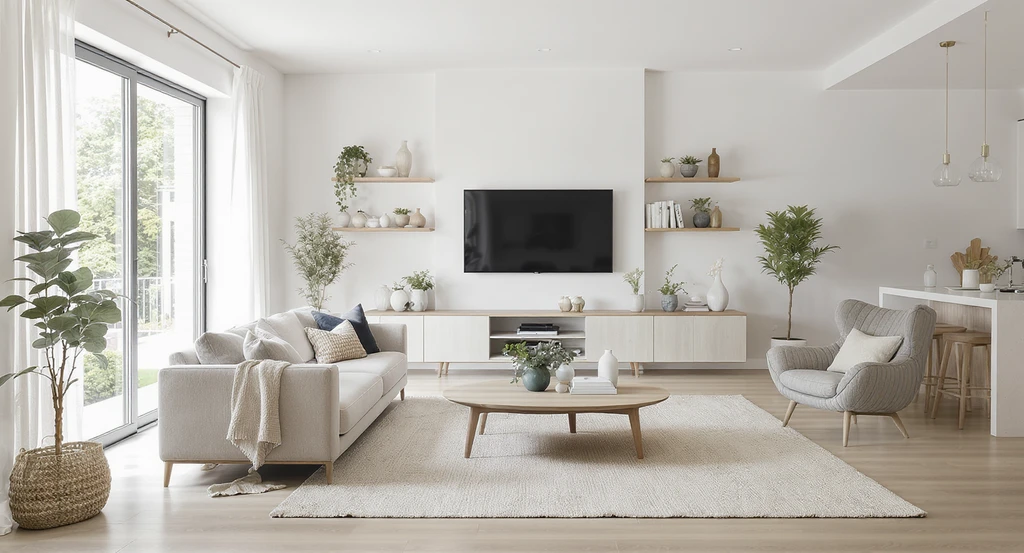
AI visualization for interior design styles demonstrates how to choose design style with AI and best practices for modern room makeovers—showing a clean, open modern living space with soft natural finishes and perfectly scaled furnishings.
Modern interiors emphasize clean lines, minimal ornamentation, and open layouts. The mistake is pushing minimalism so far that the result feels cold or empty. Common causes: overusing hard, neutral surfaces or underscaling furniture.
Correction: Soften the look with natural textures and textiles. Ensure each piece is the right scale to maintain connection and flow between zones. If working in a small space, keep pathways uncluttered and light sources unobstructed to maintain openness.
-
04. Contemporary: Flexible and Current
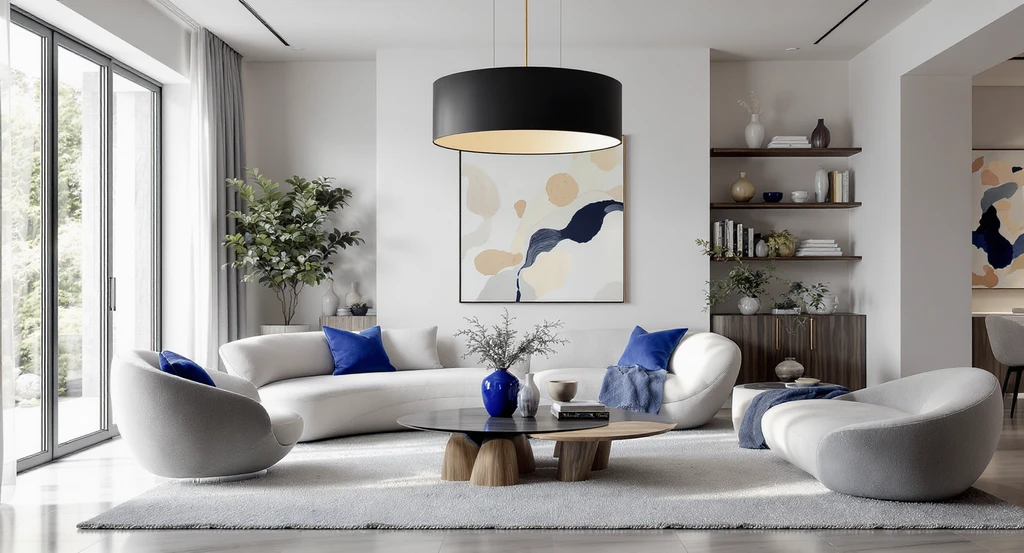
Experience contemporary interior design with ai visualization: a flexible, current space featuring sculptural furniture, bold-hued accents, and seamless flow, embodying best practices for ai room makeovers and virtual staging.
Contemporary style adapts to evolving trends, blending current shapes, colors, and materials. A common mistake is confusing contemporary with modern and introducing conflicting details from different periods.
Correction: Use current but timeless features such as sculptural furniture, statement lighting, and muted palettes punctuated with on-trend color. Refocus on cohesiveness, avoid mixing period details that break visual flow. This style works best when updated periodically to match your preferences and home architecture.
-
05. Scandinavian: Bright, Functional, Minimal
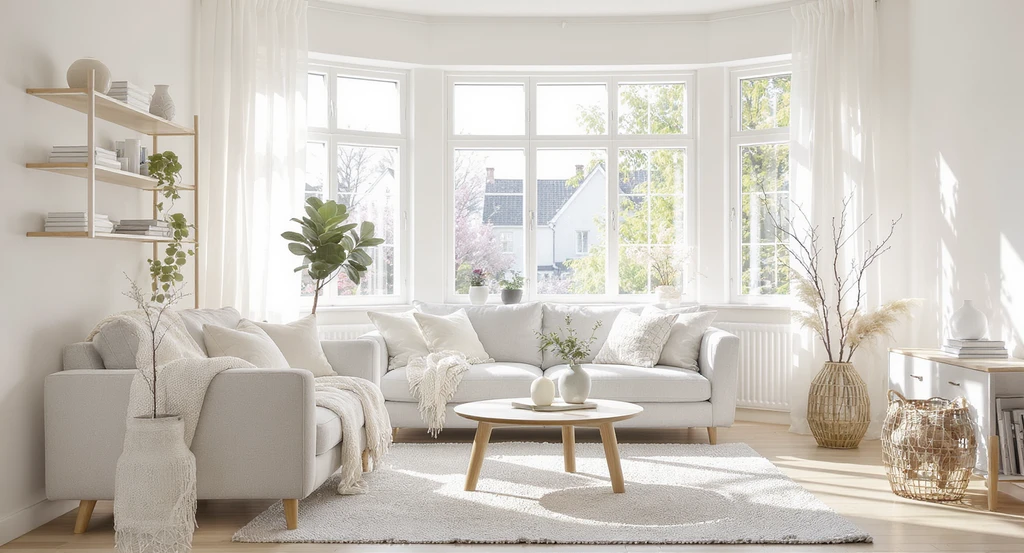
AI visualization shows a Scandinavian interior design style—bright, functional, and minimal—using pale furnishings, natural light, tactile textures, and efficient decor. Learn how to choose design style with ai, use ai tools for room makeovers, and apply best practices for ai home design in compact spaces.
Scandinavian interiors maximize natural light, use simple pale furnishings, and avoid visual clutter. A frequent error is letting rooms become too bland or underfurnished.
Correction: Layer in tactile textures (wool, linen, warm woods) and a few nature-inspired decor pieces. Maintain clear walkways and maximize available daylight by avoiding heavy window treatments. This approach is well-suited to compact spaces where efficiency is key.
-
06. Japandi: Calm, Natural, Intentional
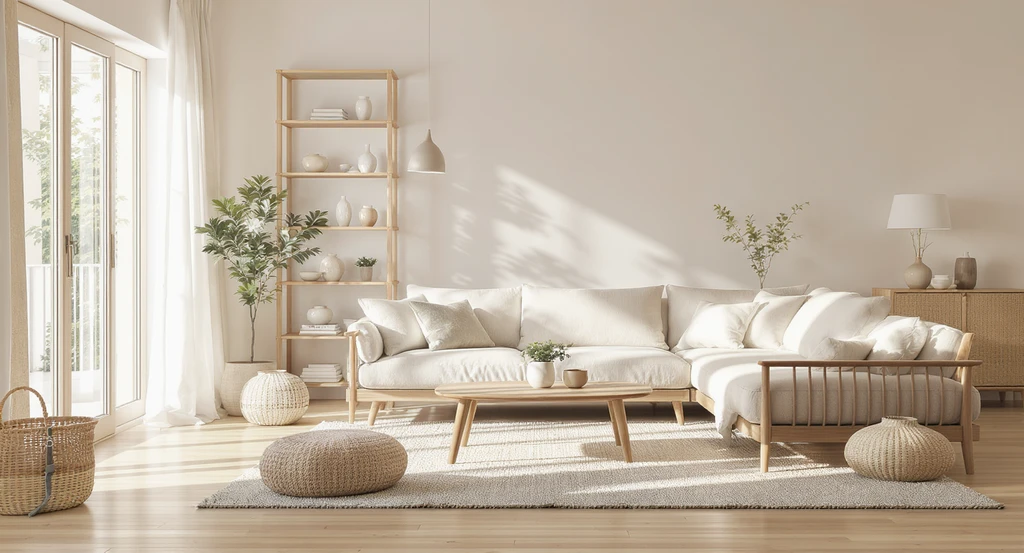
AI visualization for interior design styles: this Japandi living space shows how to choose design style with ai tools and virtual staging using ai technology.
Japandi blends Japanese restraint with Scandinavian warmth. A recurring mistake is creating cold spaces by prioritizing minimalism over livability, leading to underused rooms or awkward flow.
Correction: Focus on functional layouts using low, comfortable furniture and natural materials. Include warm lighting and easy access to daily essentials. For balanced results, preview layouts and traffic flow, as recommended in our Japandi design guide.
-
07. Mid-Century Modern: Warm, Organic, Timeless
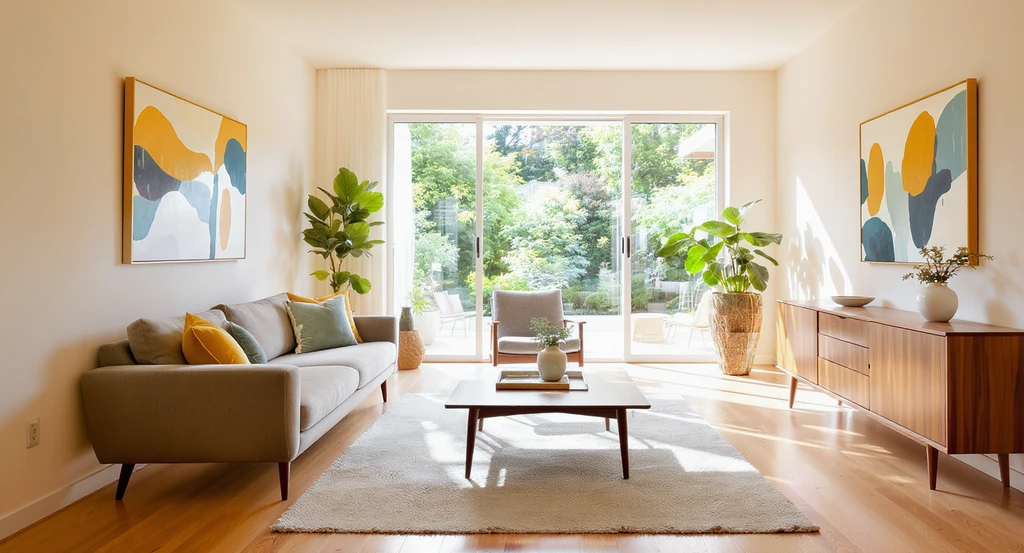
Explore ai visualization for interior design styles with this Mid-Century Modern room—virtual staging and best practices for choosing proportionate, inviting layouts.
Mid-Century Modern favors open layouts, low-slung furniture, and strong connections to the outdoors. Typical mistakes include choosing pieces that are either too heavy or sparse for the home's size, throwing off scale and proportion.
Correction: Check spacing between objects. Maintain enough room to move comfortably without leaving the space empty. Balance wood tones and use accent colors for visual interest without introducing clutter.
-
08. Industrial: Raw Materials, Structured Layout
Industrial style emphasizes exposed elements like brick, metal, and concrete. Common mistakes are overusing hard surfaces (making rooms echo or feel unwelcoming) and poor lighting choices that create harsh shadows.
Correction: Add softness using rugs, textiles, and layered lighting (e.g., pendants, wall lights, ambient sources). Make sure furniture placement allows clear circulation paths and does not block windows or architectural details.
-
09. Farmhouse: Relaxed, Practical, Inviting
Modern farmhouse balances rustic charm with simple layouts. A familiar pitfall is overcrowding rooms with decor and furniture, leading to blocked pathways and disrupted function.
Correction: Limit decorative items to those with daily utility. Keep traffic areas unobstructed and prioritize ease of movement for gatherings. Use a light, neutral palette as a unifying framework, supporting it with wood and metal touches as accents.
-
10. Bohemian: Layered, Expressive, Curated
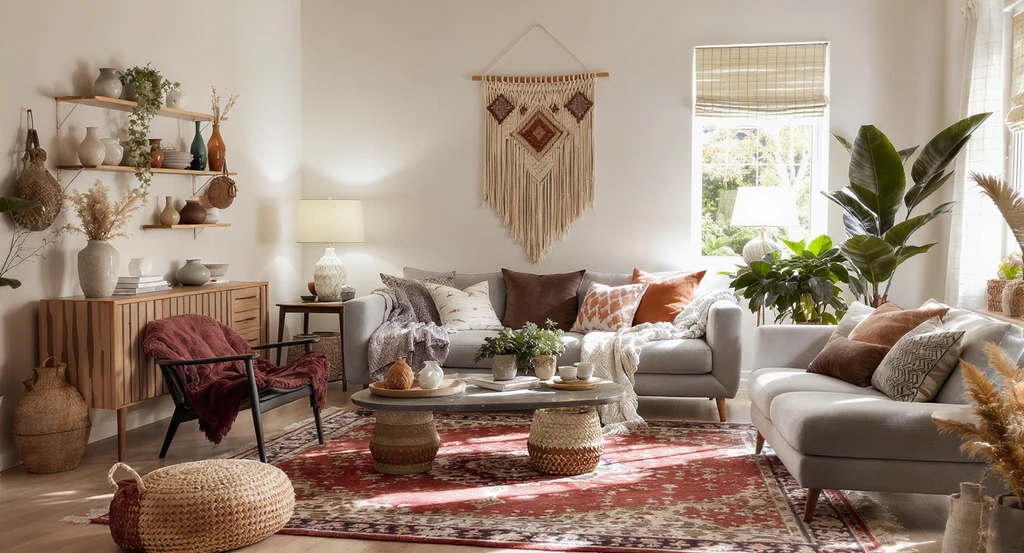
This ai visualization of a Bohemian living room illustrates best practices in choosing design style—curated key pieces, clear circulation, and uncluttered surfaces for optimal room flow.
Bohemian rooms layer colors, patterns, and decor from varied sources. The mistake is over-accessorizing, resulting in cluttered spaces and blocked movement.
Correction: Curate collections for impact and maintain open circulation zones. Avoid overcrowding surfaces or floors; instead, focus on key pieces that express personality, supporting clear sight lines. For inspiring examples, see our guide on infusing Bohemian style into your space.
-
11. Use Visualization Tools to Preview Your Space
Often, choosing styles from inspiration images alone leads to mismatches in scale, color, or layout once real furniture is placed in your home. A practical approach is to test combinations visually before making changes.
Virtual staging and AI tools, such as REimagineHome AI, allow you to preview design styles in your real space for accuracy. As our practical guide to using AI for style selection explains, visualizing before acting helps you adjust scale, color, and lighting, avoiding mistakes like overcrowding, poor sight lines, or unintentional mismatches between rooms.
- Upload a current room photo.
- Preview different style options, layouts, and palettes.
- Check for balanced circulation, unobstructed windows and doors, and natural light flow.
- Adjust until the space fits your needs visually and functionally.
Frequently Asked Questions About Interior Design Styles
- What style is best for small spaces?
- Scandinavian and Japandi styles work well for compact rooms, maximizing light and minimizing clutter for a more open feel.
- How can I tell which style fits my home?
- Assess your architecture and day-to-day needs, then use visualization tools to preview how major styles would look before changing anything.
- Can I mix different styles?
- Yes. Most homes mix styles—just follow the 70/30 rule for balance, as detailed in our AI style identification guide.
- Should I copy trends or personalize?
- Personalization makes spaces more authentic and comfortable; use trends sparingly as supportive accents, not as the dominant vision.
- How do I avoid costly design mistakes?
- Preview layouts, colors, and furniture with REimagineHome AI before purchasing or making major changes, as we outline in our blog on finding your interior design style.
Final Thoughts: Make Styles Work for the Way You Live
Interior design styles are practical systems, not limits. The best results come from blending core style guidelines with your individual habits and architecture, not just following trends. Apply the 70/30 rule for clarity, adjust layouts for daily routines, and preview ideas with AI visualization tools before committing. For more help, review our posts on style identification, Bohemian inspiration, or creating serene Japandi spaces to support a more cohesive, comfortable home.