7 Practical Fixes When You Struggle to Visualize Furniture in Your Room
TL;DR
If picturing new furniture or decor in your space feels impossible, you’re not alone. Most people—including those with aphantasia—struggle with visualizing changes before they happen. The good news: there are concrete strategies and tools that can make decorating easier and more satisfying, no matter your visualization skills.
Why Is It So Hard to Picture Room Changes?
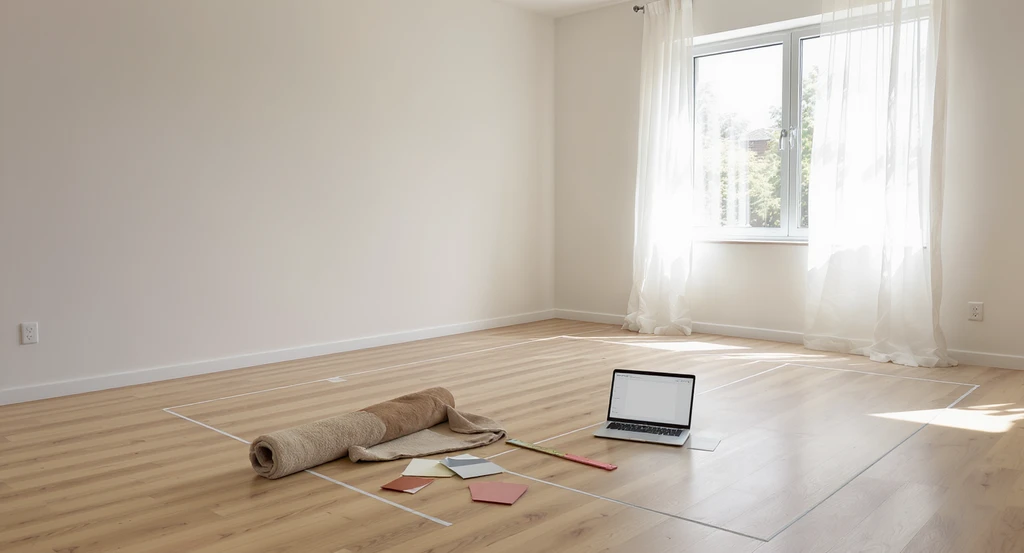
Many homeowners struggle to visualize furniture in an empty room. Learn why aphantasia affects home decorating and get tips for decorating with poor visualization skills.
If you find yourself stalled when decorating because you can’t visualize how furniture or rugs will really look in your space, you’re in good company. Many people hit a “visualization gap”—our brains simply struggle to fill an empty room or imagine swaps, especially without reference points for scale and color. For some, aphantasia (an inability to create mental images) makes this all but impossible. For others, it’s just everyday uncertainty or fear of making an expensive mistake. Here’s the truth: even professional designers rely on tools and tricks to bridge this gap, because the human mind is not great at translating pictures or samples into real-life outcomes. If you’re tired of crossing your fingers and hoping it all works out, here’s what actually helps—and what mistakes to avoid.
-
Instant Answer: Most People Struggle With Visualization
If you’re trying to figure out why you “can’t imagine” a new sofa, paint color, or rug in your room, the short answer is—it’s normal. Our brains are wired for the familiar, and without visual anchors or experience, we make poor guesses about scale, fit, and style. This is even more true for those with aphantasia or poor visualization skills. Instead of blaming yourself, focus on smart workarounds that level the playing field.
-
Quick Snapshot
- Most people (not just aphantasia) struggle to visualize home changes
- Scale and context are the biggest blind spots—photos and floorplans rarely help enough
- Using visual tools, physical samples, and smart decision frameworks makes decorating much easier
-
1. Know You're Not Alone—Most People Can't Visualize Perfectly
It’s easy to assume that everyone but you can “see” new furniture or color in their mind. But research and online communities show it’s common to need real-life examples or visual aids before making decisions. In fact, according to our guide on how to visualize furniture and rugs in your room using AI, using photos or simulations is often much more reliable than relying on imagination alone. Practical step: Let go of the pressure to picture things perfectly. Accept that using tools and asking for help makes you a smart decorator—not a bad one.
-
2. Use Physical Placeholders
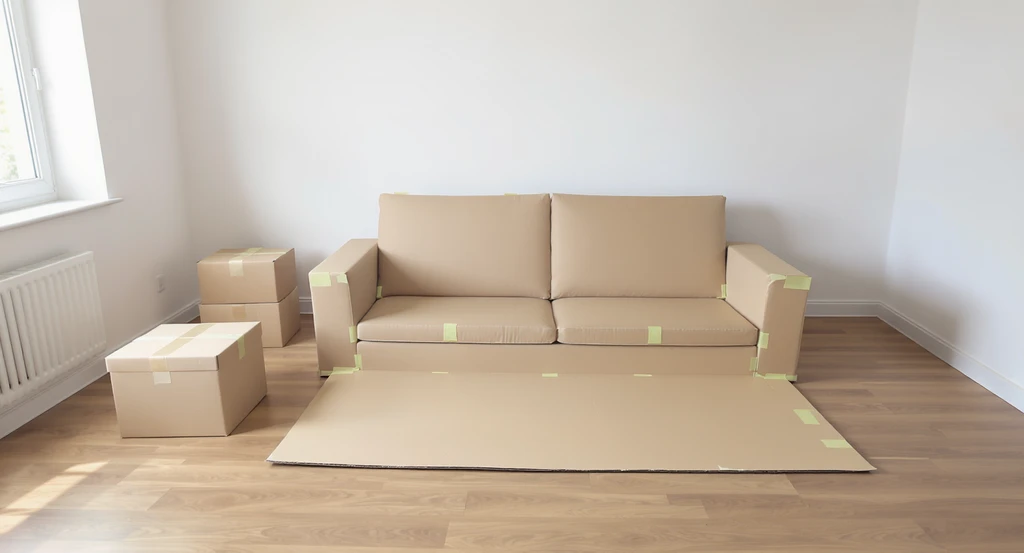
Using cardboard and painter’s tape as physical placeholders helps solve why can't I visualize furniture in a room—essential tips for decorating with poor visualization skills or when aphantasia affects home decorating.
Sometimes, the best way to close the visualization gap is to imitate the real object. Place cardboard, painter’s tape outlines, or even boxes on the floor to mock up the size and shape of the item you want to add. This gives your brain a physical reference it can assess in real time. Why it matters: Most decorating regrets stem from getting scale wrong. Physical placeholders make hidden problems obvious before you spend money. Quick note: If you’re unsure about exactly where to place something, try moving your mock-up around the room for a day or two and see what feels best.
-
3. Visualize With Photos, Not Just Imagination

Use digital tools to superimpose furniture on photos of your room—essential for why can't I visualize furniture in a room, how aphantasia affects home decorating, and tips for decorating with poor visualization skills.
If imagining doesn’t work, let technology do it for you. Snap a photo of your room and use digital tools to superimpose furniture or colors. As explored in our detailed guide on AI-powered rearrangement, tools like REimagineHome AI let you see photorealistic changes in your own space in minutes. Practical step: Upload a picture and test options virtually, before committing. This method is especially helpful for those with aphantasia or anyone who needs to "see it to believe it."
-
4. Start With Anchors, Not Accessories
Many people get stuck when a room still feels unfinished no matter what they add. The missing piece often isn’t more stuff—it’s the right starting point. According to the Priority Sequence Model, begin with large foundational items (like a main sofa or rug), then build out from there. Smaller accessories and finishing touches come last. Why it matters: Choosing accessories before anchors creates a scattered, incomplete look—and increases returns and frustration. Takeaway: Big decisions first, small details second.
-
5. Lean on Real-World Experience—Not Just Style Boards
Pictures on Pinterest, style boards, and mood boards are inspiring, but they may not help you judge what genuinely feels right in your space. Many people only discover what works for them by trying things out and adjusting based on real feedback—this is totally normal! What to do: Keep a photo record as you try changes. Notice which combinations you actually like once they’re in your space. Over time, build a personal album of "what worked" and "what didn't" for future reference.
-
6. Accept Eclectic—Not Everything Has to Match
Some people worry they don’t have a "vision" or that their decorating style is too random. But, as discussed in online communities, many who struggle to visualize end up with joyful, eclectic homes full of things they love—rather than perfectly coordinated spaces. That’s a win, not a failure. Practical step: If a gallery wall or furniture set doesn’t feel right, mix things up. Focus on what gives you joy, not what’s magazine-perfect. It’s often more personal and satisfying.
-
7. Try a Simple Sequence to Avoid Overwhelm
If you freeze when faced with blank space, try a step-by-step method, like the Priority Sequence: define the room’s purpose, pick an anchor piece, set adjacency (how things relate), then add style and test visually. This approach, described in our foundational rules for furnishing a room, keeps you moving forward without second-guessing every detail. Takeaway: One clear path through the process beats juggling all the options at once.
FAQ
- Is it normal to struggle with imagining furniture in a room?
Yes, it’s very common. Even professionals rely on photos, measurements, or AI tools to avoid mistakes. Visualization is a skill and a challenge for most people. - How does aphantasia affect home decorating?
Aphantasia means you may not create mental images at all. Rely on physical mock-ups, digital visualization tools, and lots of real-life testing—don’t force imagination! - What’s the best tool for seeing changes before I commit?
Photo-based AI visualization platforms, like REimagineHome AI, let you preview furniture, rugs, or paint in your own room digitally—read about their benefits in our full guide. - How do I avoid buying the wrong size or color?
Measure carefully, use physical stand-ins, and preview with digital tools. Start with one large anchor (sofa or rug) to set scale, then add color through accessories. - What if my style ends up mismatched?
Embrace it! Many people with poor visualization skills collect what they love, creating an eclectic, meaningful space. There’s no right answer except what feels good to you.
Final Thoughts
Decorating is rarely about perfect visualization—it’s about small, safe experiments, leaning on tools, and letting experience shape your space over time. Whether you live with aphantasia, mild visualization difficulty, or just regular nerves, you’re not alone—and you have more helpful options than ever to make your space truly yours. Keep the process simple and focused on what matters most to you.