8 Home Remodeling Trends That Will Define 2026 (and How to Decide What’s Right for You)
TL;DR
Home remodeling remains strong for 2026—with high-end spending rising but a shift toward caution and value. Major trends include lower budgets, evolving funding, younger generations renovating, and a near-universal reliance on professionals. Previewing your remodel with visualization tools is a proven way to reduce costly regrets and make smarter decisions.
Direct Answer: What Defines 2026’s Remodeling Landscape?
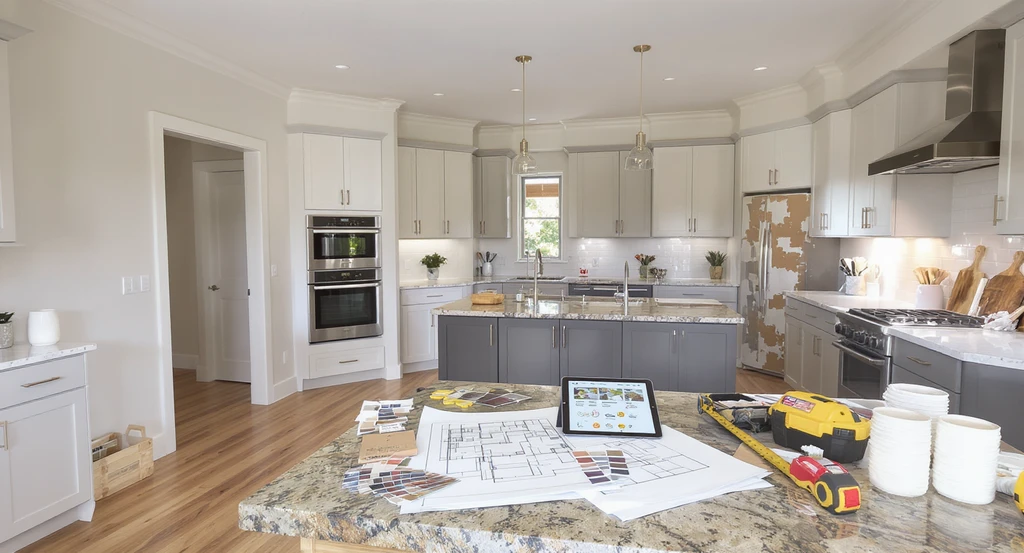
A real-world scene shows a 2026 remodel in progress, with plans, tools, and a mix of modern and classic elements—spotlighting how to avoid renovation regret and prioritize remodeling decisions.
Remodeling activity remains resilient in 2026, as homeowners adapt to economic uncertainty, changing lifestyles, and evolving renovation goals. This year’s trends reveal a mix of steadfast demand, shifting budgets, and an increased use of technology and professionals to ensure successful outcomes.
Below, we break down the 8 top trends—each designed to help homeowners and real estate professionals anticipate the market and make informed decisions. For deeper insights on costs, financing, and planning, check out our guide to renovation costs and smart budgeting for 2026 and practical ways homeowners afford renovations.
-
2026 Trend Snapshot
- High-end spending rises despite some budget tightening.
- Generational shift: Gen Z and Millennials grow as renovation influencers.
- Cautious investment: More homeowners stay put and optimize existing homes.
- Diversified funding: Savings still dominate, but credit card use increases.
- Visualization and digital tools become standard in planning and decision-making.
-
1. High-End Spending Rises As Budgets Tighten
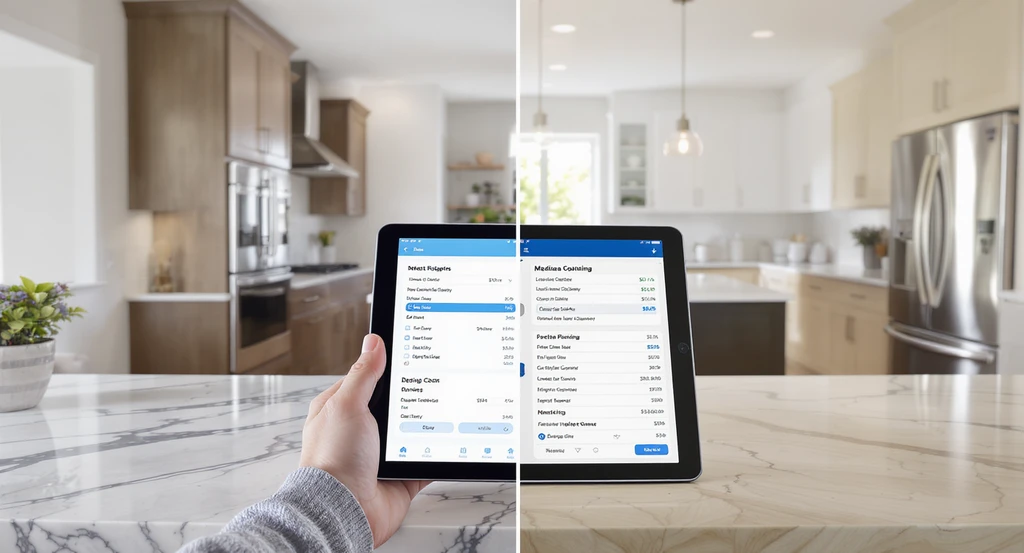
Visualizing luxury versus standard finishes alongside a digital cost-planning tool helps avoid renovation regret in 2026 remodels, prioritize remodeling decisions, and prevent common budget overruns.
Definitive Rule: Monitor both the median and top-end of renovation spend—each signals evolving priorities.
Mechanism: While the $20,000 median spend is stable, spending at the 90th percentile has rebounded, reflecting demand for premium features and finishes even as more homeowners set lower overall budgets.
Problem: Focusing only on average spend can hide risk; high-end costs are surging in parallel with tighter planning for all.
Why: A segment of the market still pursues ambitious remodeling—often their "forever homes"—driving up luxury demand as others scale back.
What to do: Benchmark your project against both the median and the high-end. Set realistic expectations, and use digital cost-planning tools to visualize options and flag budget risks—learn more about cost planning in our full guide.
If ignored: You risk setting an unachievable budget or overlooking emerging opportunities in your market segment.
Decision Note: Preview high-end design options virtually before committing and ensure your budgetary range truly matches your vision. Visualization reduces both financial and style regrets.
-
2. Renovation Activity Holds as Fewer Plan Major Changes
Definitive Rule: Don’t assume last year’s momentum will automatically continue—each cycle is unique.
Mechanism: In 2026, 50% of surveyed homeowners plan renovations (down from 52%), with fewer planning major decorating or new builds. Budget expectations for planned projects are also trending downward.
Problem: Outdated assumptions about continuous growth can lead to missed project timing or scope mistakes.
Why: Economic factors, interest rates, and a desire for stability push homeowners to delay, phase, or scale projects.
What to do: Regularly recalibrate your plan, reassess financing, and forecast potential delays. Explore ways to afford renovations smartly and leverage visualization tools for scenario planning.
If ignored: You may overcommit, leading to half-finished projects or financial strain.
Decision Note: Adapt to predictable slowdowns with phased or prioritized upgrades—avoid "all or nothing" thinking.
-
3. Readiness—Time and Money—Triggers Most Projects
Definitive Rule: Only remodel when you have both the time and the financial readiness.
Mechanism: 40% of homeowners renovate when they finally have time; 36% do so when their finances allow. Life changes, property age, and prepping for resale are less common but still notable triggers.
Problem: Rushing into renovation without both conditions boosts risk of regret, delays, and overspending.
Why: Lack of planning or funding forces hasty decisions, mistakes, or costly redo.
What to do: Set aside dedicated time, build a cushion into your budget, and use digital roadmaps to plot your remodeling journey. See effective timing strategies for renovation here.
If ignored: Projects stall or balloon in cost and complexity.
Decision Note: Wait until both personal and financial readiness align. Visualization tools clarify priority sequencing and pace.
-
4. Gen Z and Millennials Shape the Market

Digital planning tools and eco-friendly designs help avoid renovation regret in 2026 remodels by addressing Gen Z and Millennial priorities for tech-driven, customized spaces.
Definitive Rule: Understand generational motivators—emerging demographics are driving change.
Mechanism: Gen Z renovators increased their market share by over 100% this year—often motivated by recent home purchase or lifestyle shifts. Millennials also play a growing role, focusing on upgrades that match evolving needs.
Problem: Ignoring the needs, behaviors, or communication patterns of younger consumers cuts you off from future demand.
Why: Gen Z places higher value on customization, digital engagement, and eco-friendly or flexible designs.
What to do: If you fall in these age groups, use AR/VR and digital budget planners for scenario testing. If marketing, tailor your offers and communication tools for tech-savvy, visual-first buyers.
If ignored: Missed market opportunities or mismatched renovations that age poorly.
Decision Note: Digital natives expect "try before you buy"—visualization reduces uncertainty and increases satisfaction. Preview any design virtually.
-
5. Homeowners Are Blending Funding: Credit Cards Up, Savings Still Rule
Definitive Rule: Don’t depend on one funding source—diversify according to project scale.
Mechanism: Most (84%) use savings, but credit card reliance rose to 34%. Higher-budget projects blend home equity, refinancing, or sale proceeds.
Problem: Over-reliance on high-interest credit can lead to future financial strain. Underutilizing equity or other options can limit what’s possible.
Why: Evolving economic conditions and rising project scope prompt more creative funding combos.
What to do: Map out all funding sources: savings, credit, loans, and equity. Align each to project scale and risk tolerance. For more, read about the best ways to fund renovations in 2026.
If ignored: You risk high-interest debt or underfunded, stalled projects.
Decision Note: Use visualization to explore what’s realistic for your funding mix before any commitment.
-
6. Budgets Are Often Exceeded—Visualization Reduces This Risk
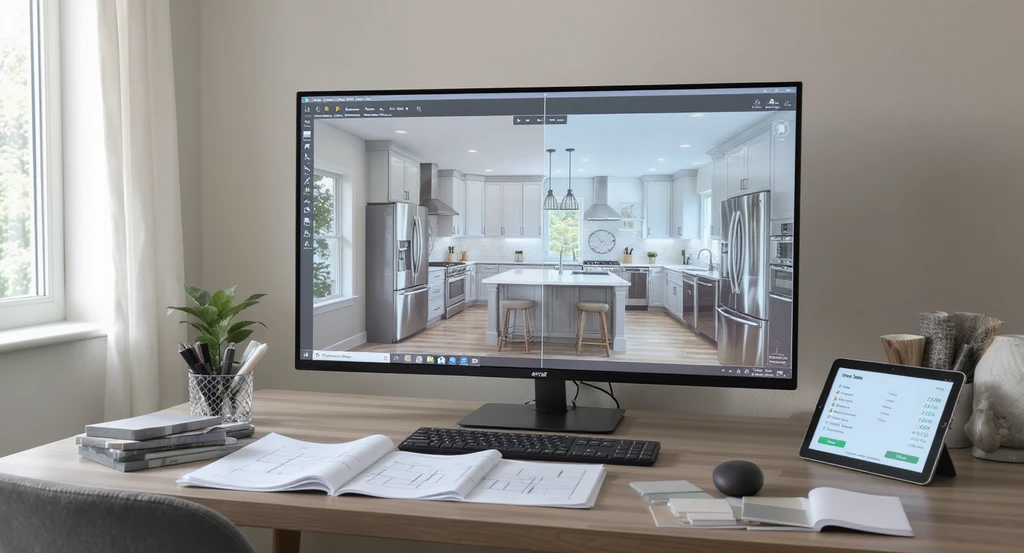
Digital visualization tools help prevent budget overruns and support smarter renovating decisions for 2026 remodels, reducing the risk of renovation regret.
Definitive Rule: Never begin a project without a set budget—then test plans visually for hidden costs.
Mechanism: 75% of renovators set an initial budget, but 37% still overshoot due to upgrades, scope creep, or complexity. Visualization tools catch these risks before they’re costly surprises.
Problem: Most overruns result from underestimating materials, misjudging scope, or reacting to project complexity.
Why: Many homeowners lack tools for pre-project scenario testing.
What to do: Use digital tools to model your space, refine your plans, and review cost impacts before you build. See our cost management tips here.
If ignored: Expect delays, unfinished work, or debt regret.
Decision Note: Previewing your dream remodel with visualization reduces the top causes of overrun—deliver predictability, not surprises.
-
7. $50K+ Projects Are Common—Segment Your Strategy
Definitive Rule: Budget tiers require different planning and risk strategies.
Mechanism: Nearly 1 in 3 homeowners now tackles a project of $50,000 or more—splitting the market into distinctive high, mid, and low spenders. The midrange ($10K–$49K) and entry-level ($1–9K) segments hold steady but show subtle shifts each year.
Problem: Treating all projects the same can lead to resource misallocation or misjudged expectations.
Why: Higher budgets unlock new funding, more complex scheduling, or require professional project management.
What to do: Audit your project’s true scope and align resources accordingly. Lean on cost calculators and visualization tools to preview the difference between "good," "better," and "best" results. Read about when to renovate vs. redecorate here.
If ignored: Failure to tailor may leave you under- or over-prepared, risking satisfaction, cost, or delivery targets.
Decision Note: Project right-sizing—using digital previews—protects your investment at any budget level.
-
8. 91% of Renovators Hire Professionals—The New Normal
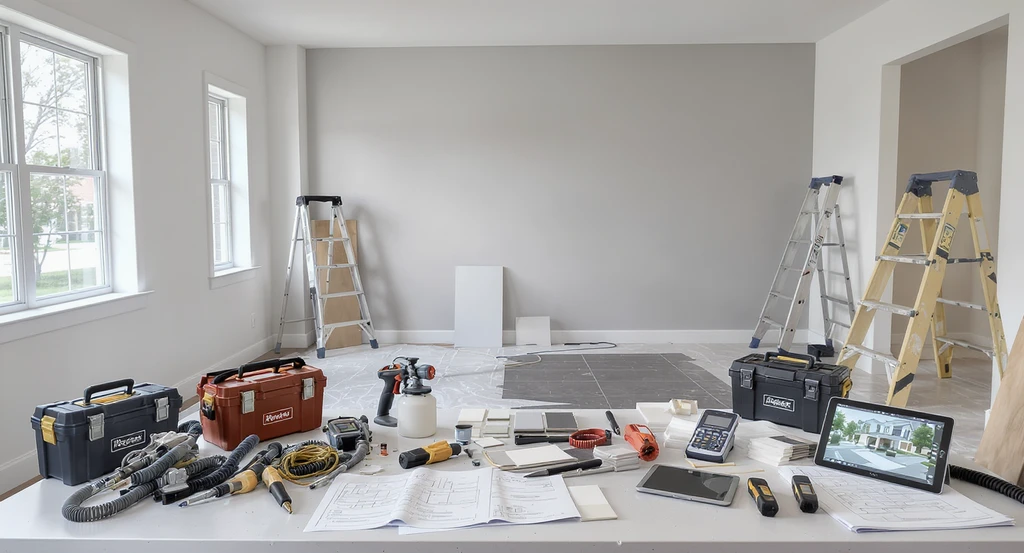
Professional home renovation setups, specialty tools, and digital planning help homeowners avoid renovation regret, prevent costly mistakes, and prioritize remodeling decisions in 2026.
Definitive Rule: DIY isn’t dead—but professional help is now the default for most projects.
Mechanism: Nearly all (91%) homeowners hire at least one professional for renovations. This includes specialty service providers (electricians, plumbers, painters), construction professionals, and design experts.
Problem: Going it alone, especially on complex projects, increases mistakes, missed codes, or incomplete work.
Why: The stakes (financial, safety, and resale) are too high for single-owner DIY on most modern projects.
What to do: Vet and match pros carefully. Use visualization to communicate expectations and reduce misalignment. For more on how to determine which upgrade fits, see our renovation vs. redecorating decision guide.
If ignored: You risk costlier redos, safety hazards, or lower resale value.
Decision Note: Use professional expertise and visual communication for the best outcomes in 2026.
-
Proprietary Framework: The 4D Remodeling Decision Matrix
To make the trends actionable, use the 4D Remodeling Decision Matrix:
- 1. Define - Clarify scope and budget with visualization.
- 2. Decide - Choose options based on readiness and project scale.
- 3. Diversify - Match funding sources and sequence upgrades.
- 4. Deliver - Leverage professional support and digital previews to guide execution.
Applying this matrix ensures every key trend informs smarter, lower-risk choices. -
Top Mistakes to Avoid in 2026 Remodeling
- Skipping budget planning or ignoring cost buffers—most overruns are preventable. (Plan with cost data)
- Neglecting visualization—risking redesign, delays, or unanticipated costs.
- Misaligning project scale with funding method—balance ambition with stability.
- Underestimating the value of timing—start only when you have both the resources and headspace.
- Assuming DIY covers all needs—92% of homeowners hire pros for a reason.
-
Projects Worth Doing Now
- Energy-smart upgrades: Lower long-term costs as utility rates rise.
- Kitchen and bath remodels: Highest resale value and most leveraged spending.
- Flexible space conversions: Home offices, guest suites—match new living patterns.
- Exterior repairs: Protect value and prepare for climate extremes.
- Read how to prioritize and afford these projects in 2026.
Frequently Asked Questions
- How much will I likely spend on a remodel in 2026?
The median spend is $20,000, but actual costs vary. See our 2026 cost guide for more detail. - What’s the best way to avoid budget overruns?
Careful planning, built-in cost buffers, and visualization reduce the risk of overspending. - Should I renovate or redecorate?
It depends on your goals, budget, and your home’s current condition. Learn the difference here. - Do I need to hire a professional?
91% of renovators do. Pros ensure safety, quality, and code compliance. - How can I test remodel ideas before committing?
Visualization tools let you see finished spaces before you make costly choices. Try it here. - Which renovation gets the best ROI?
Kitchen and bathroom remodels historically lead, but energy upgrades are rising. See high-value project ideas. - What if I want to DIY?
DIY can work for select projects, but pros are standard for complex or code-related work.
Key Takeaways: Remodeling 2026
The remodeling landscape of 2026 demands strategic, tech-enabled decision making: budget carefully, preview your options digitally, and hire professionals where it counts. Trend awareness is essential—each shift signals both opportunity and risk. For the best results, rely on cost modeling, funding diversity, and the 4D Decision Matrix to streamline every phase of your project.